Other Worlds
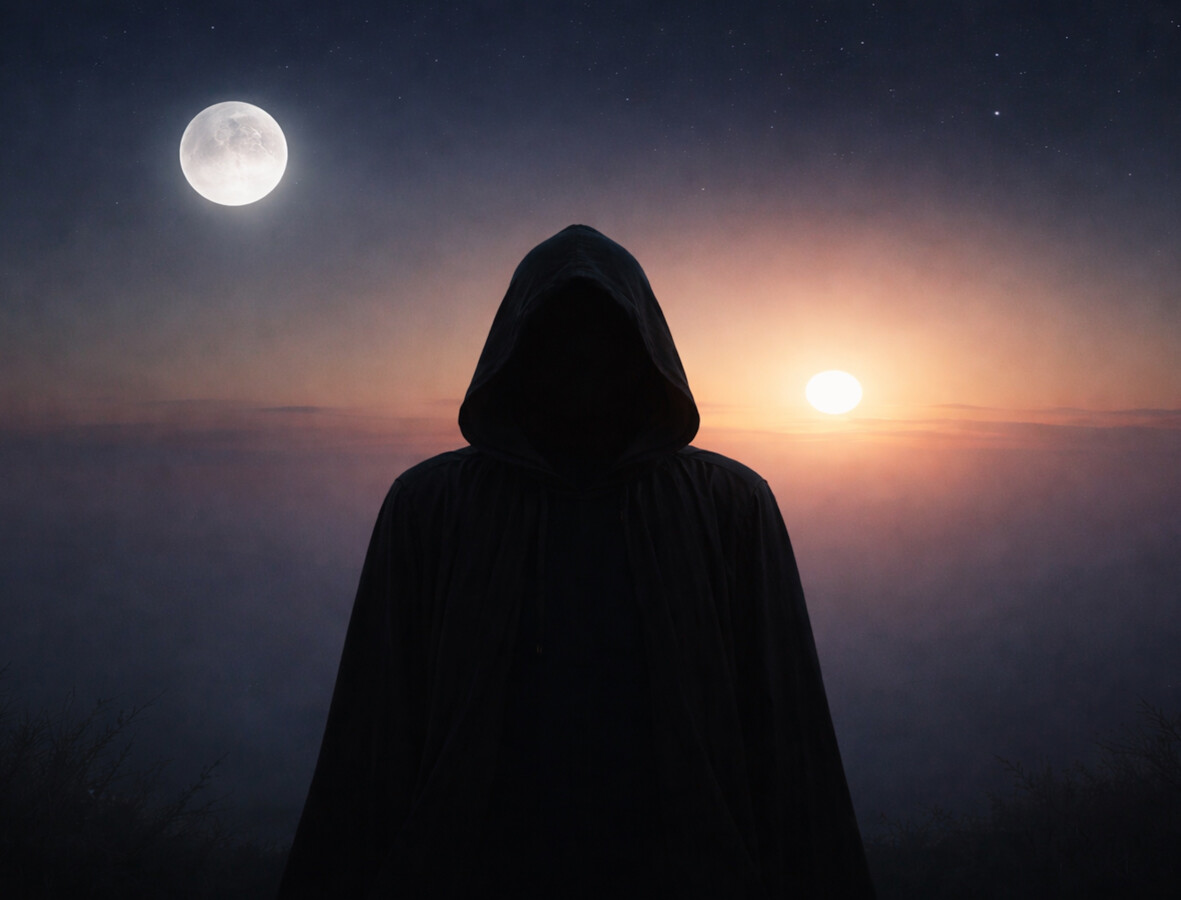
One of the themes that has never left me, often since early childhood, is journeys to other worlds. I used to imagine other planets, preparations for departure and the voyage to them, new landscapes, the feelings that accompany the sight of alien skies, other suns and moons, looking at Earth from very far away, and so on. It thrilled me, while at the same time filling me with a deep calm mixed with bottomless sadness. I had the sense of looking into an inevitable future, joined to a great grief for everything that must disappear on the way toward that future.
I do not so much believe as observe that recurring themes arrange themselves, for each person who allows them to return and gradually reveal themselves ever more fully, into a kind of map and a set of signposts. Leading to what? Who knows—perhaps to one’s own destiny and the meaning of being. It is hard to believe in that, but harder still not to believe in anything at all. So I believe cautiously: I do not question too much, I simply listen and watch, and when I hear or glimpse something, I follow.
At the same time, I am not, and never have been, a great fan of science fiction. I never devoured Lem or von Däniken; Star Trek, Star Wars, and especially Dune bore me. If anything, it is Douglas Adams and Vonnegut who speak to me, though probably not because of their journeys to other worlds. What reaches me most powerfully in otherworldliness is its expression of the truth that we ourselves are strangers in a strange reality, and that every encounter with another organism is an encounter with an alien.
About ten years ago I came across Michel Faber. Under the Skin astonished and terrified me, both as a novel and as Jonathan Glazer’s film; The Crimson Petal and the White delighted me; and from the very beginning I have seen his last novel, The Book of Strange New Things—an intergalactic marital breakdown combined with the story of a Christian mission to an alien civilization—as an opera. And for those ten years I have been striving to bring that opera into being. In various ways: trying, unsuccessfully, to persuade Faber to write the libretto, speaking with several people about these plans, from time to time receiving signals that it might now be possible, only for the plan, so far, always to be called off. But I am patient, and convinced that in the end it will happen. Perhaps this exceptionally long span of time, even by the often uneven logistical standards of large operatic undertakings, has helped the subject to mature. I have the feeling that over these ten years the opera has arranged itself in my mind. Until recently, without a specific libretto, indeed without any concrete particulars at all, and yet clearly, as a whole other world into which I can now peer and summon before my eyes and ears. It is crystallizing around a text that has also emerged recently—written by David Pountney—and I am taking it apart, putting it back together, asking questions—of myself and of the author—about meanings, details, and so on, and shaping the score, although I still have no complete certainty what will become of it. So be it. It is not the first time I have written without certainty. Certainty is a rare luxury in this world, and probably in others too.
So once again: she and he and someone else. And a series of close encounters and misunderstandings. Under an alien sky.